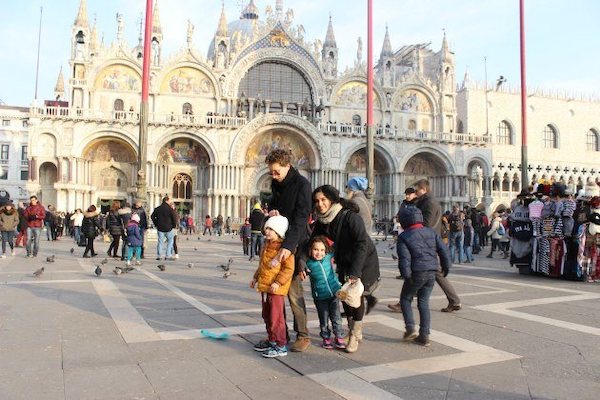
What to pack for Italy in January: my tried and tested packing list for families
Family packing list for January in Italy: what to pack for Italy in January to be comfortable and stylish on your family trip to Italy with kids, based on my own experience around Italy with my family.
January can be a great month to visit Italy, but getting clothing right is crucial, during this time more than in many others. You can find my overview of the weather in January and what to expect here.
January is the heart of winter in Italy and, in general, the coldest month of the year.
During this month, you can expect cold days that call for a warm winter coat, a scarf and possibly even a hat and gloves, especially if you are visiting northern Italy, places at higher altitude or on a rainy day (humidity can be brutal!).
Warm layers are your best friend: depending on the specific day and time of day, you can find yourself in a nice sunny spot or a very cold one, so being able to add or remove layers easily is ideal.
Need to know! The biggest packing mistake I see people making when planning a winter trip to Italy is expecting the South to be warm. It isn’t! While temperatures are generally milder in southern Italy, you can still have cold, damp days in Sicily, Puglia or Naples, and you will definitely want a proper winter coat.
The one place that calls for different attire is the mountains: if you go to the Dolomites, this is snow and skiing season, so you’ll have to dress accordingly.
But for sightseeing and a non-ski vacation, wherever you are in Italy, you will need warm winter clothing, and this Italy packing list for January is a good starting point!

I am from Rome and travel around Italy throughout the year, including during the winter months. Based on my experience travelling around Italy with my family, this is my recommended family packing list for families with kids.
Please note: this post contains affiliate links. Should you make a purchase, we might make a small commission. As an Amazon associate, we earn from qualifying purchases.
Italy in January must have TL; DR
>> Warm coat, for instance like this one which is also good in the rain
>> Scarf, hat and gloves
>> Comfortable sneakers / waling shoes, like sneakers or ankle boots
>> Good corso body bag with a good zipper / anti theft crossbody bag
>> Stroller footmuff for naps on the go and stroller rain cover
You can find my lists of Italy essentials on Amazon here.
Packing for Italy in January: debunking common myths
Why you don’t need to dress like a local
Many first time visitors worry they need to ‘dress like an Italian’ when here but you absolutely don’t have to!
The worry behind this question is the idea that, if you ‘look like a tourist’ you will be treated worse, charged more, or even targeted by pickpockets, but I feel like getting the record straight here: what you wear is not what put you on the line as a possible target.
Pickpockets notice easy targets like a phone in a pocket, an easy to open backpack or a bag left unattended or in an easy to grab spot: they give zero attention to what you wear or where you are from, and this is obvious once you see bad experience like these also happen to locals.
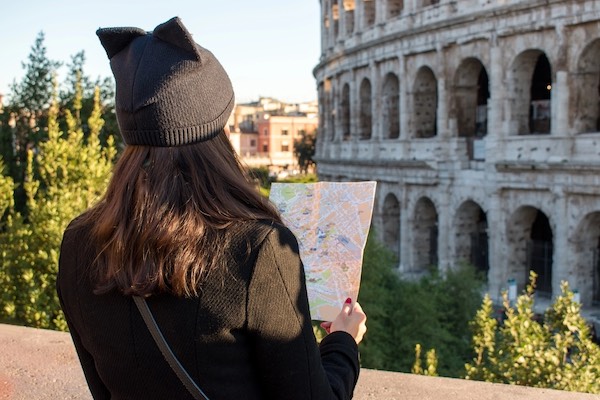
They are not the norm, they are not something to worry about constantly, but they may happen and they are very ‘democratic’ in approach: it won’t be your athletic wear or water bottle the make it happen to you. The one thing that helps agains them is situational awareness and a crossbody bag with a good zip.
The same if for the fear of extra charges and worse treatment: again, if this happens, it will not be your clothing the reason for it.
If people try this with you is because they think they can get away with it and this happens to locals too – unless you go to your usual cafe, you are a ne customer as much as any local.
The only real way to protect yourself from this is to look at prices first, check the menu for potential extra charges (some are legal, so a lot of the ‘scams’ reported are not scams at all, just lack if information), double check the check before paying should anything look suspicious and looking at reviews.
So with this in mind, I hope you can make your style choices with comfort, fashion and personal style in mind, not fear!
But what if I want to look like a local?
If you do want to take some style tips from locals for fun, then by all means you can! Locals dress in all sorts of ways, but there are some things that tend to be universal and that can also work while sightseeing.
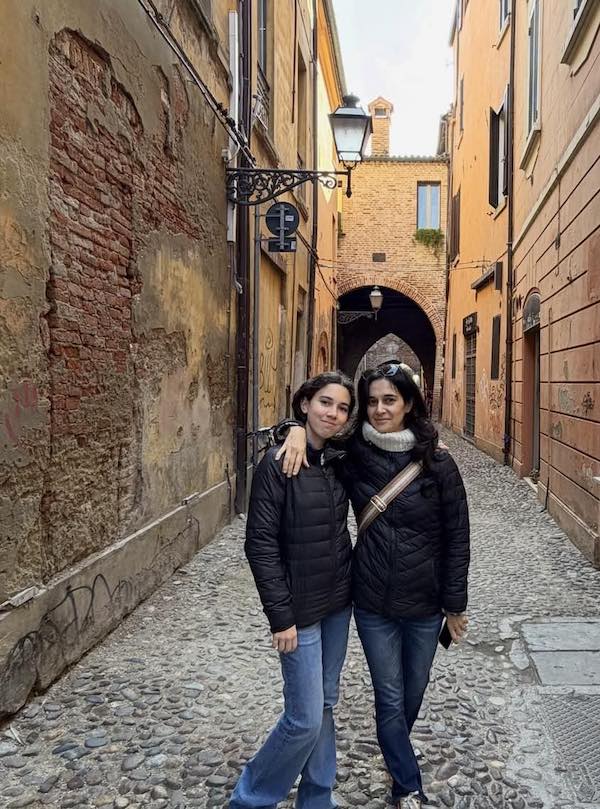
In January, we dress for winter in Italy, so you’ll see us in warm puffer jackets and wool coats, long pants, scarves and boots. We tend to be a cold bunch, so you will notice we have very heavy coats and scarves: a very common style now is puffer and dawn jackets and coats, often knee lengths or mid-thigh.

Commonly, long ones are in darker colors while with short ones you see a huge variety of shades, especially used outside working hours.
As main clothing, common colors for winter are black, brown, wine read, dark purple and related varieties. Common items are high neck sweaters, short sleeve knitted tops with long sleeve shirts underneath, cardigans and fluffy high necks.
Winter trousers, jeans and mid length skirts with tights are very common and are often worn with ankle boots or full boots. Runners / sneakers are also common for days out but the weather is often more conducive to warmer shoe-wear.
Children commonly wear leggings, tracksuit bottoms or sports pants, jeans, t-shirts, hoodies, warm sweaters and coats.
Do I need to pack fancy clothing for dinners and churches in Italy?
You only need to dress up for dinner in Italy if you are going to a fancy restaurant with a dress code or somewhere upscale. Otherwise, whatever you have on to sightsee is ok!
There is also no need to dress up for Church. If visiting a sacred space, however, you must ensure that you are dressed respectfully, which in the case of Catholic churches means modestly, which means non revealing and non ostentatious clothing.
Avoid short skirts and shorts (even with tights), plunging necklines, and visible slogans on clothing or skin that the Church may consider offensive.
If you attend mass, you can expect people to be dressed nicely but, even in this case, ‘nice’ means clean and proper clothes, not fancy – casual attire is perfectly acceptable. You don’t need your Sunday best.
What to pack for Italy in January: clothes for adults and kids
- Underwear
- Socks
- Long-sleeved tops
- Short-sleeved tops for layering
- Warm sweaters – hoodies are popular for kids and adults; cardigans and merino wool work excellently if you want a more dressed-up look.
- Short sleeve sweaters on top of long sleeve tops are common for women
- Long pants/midi skirt (jeans, chinos or corduroy are popular).
- Warm winter coat (a puffer jacket style works well)
- Warm scarf
- Hat and gloves
- Two pairs of shoes (sneakers or any closed shoes you can walk in comfortably)
- Long-sleeved / long-pants pajamas
- Slippers / house socks with grippy soles for kids (to use as slippers on the cold hotel or rental floors of your Italian accommodation!)
Fashion accessories
- Sunglasses
- Hair ties/hat
- Colourful scarves and necklaces (very popular in Italy and a great way to add colour and change up an outfit)
- Earrings
I always recommend costume jewellery for safety when travelling anywhere (not just to Italy) as a fun way to dress up and add colour without stressing about losing important and pricey pieces.
The best shoes to wear in Italy in January
The best shoes for January are comfortable shoes that allow you to walk for hours without getting blisters or causing fatigue to your arches or calves.
Runners are exceptionally popular with locals and visitors and are a universal choice, allowing you to go day to night. However, make sure they are a winter pair that can keep you warm and dry.
My recommendation: If you’re visiting Italy in January, consider bringing a pair of comfortable walking shoes with some grip. You don’t need specialised hiking shoes for city sightseeing, but having footwear that can cope with wet pavements makes a difference: rubber sole or similar is idea. For instance something like this, or this
Fashion in Italy is similar to what you see anywhere else (we are as exposed to global brands as anywhere else), so you’ll see the same clothes you see back home.
You’ll see people of all ages wearing brands such as Adidas, New Balance, Nike and Puma with skirts, pants and other everyday outfits.
I urge you not to believe people telling you we don’t wear sneakers in Italy! Of course, we do; nobody would expect anyone to have to be on their feet all day to wear anything but comfortable walking shoes.
Since rain is possible, I recommend you pack two pairs so that one can dry off overnight if needed.
If you are visiting northern Italy or expect particularly cold weather, a pair of waterproof boots can also be a good addition, especially if you are planning to spend time outdoors.
Good bags for Italy
Day bag for your essentials: I recommend a not-too-big crossbody bag to securely keep your phone, documents and money.
You do not need an anti-theft bag, but you want to make sure your bag can zip closed and has straps long enough that you can hold it in front, with your hand on the zipper, for any situation you may feel calls for extra caution, for instance on public transport or shoulder-to-shoulder places like some of the top landmark.
You also want to make sure you have your bags with you all the time, ideally at the front in shoulder-to-shoulder crowded places, so you can keep the zipper in check.
If, for peace of mind, you do want an anti-theft bag, this one is a good one.
For luggage, I really like travel backpacks as they allow me to have my hands free, but I also have a good Samsonite wheelie bag I find comfortable and easy to use.
Packing for January in Italy for a baby, toddler or active child
Same as above, but I recommend bringing rain pants and, if space allows, wellington boots so they can jump in puddles. If they are too annoying to pack, they are easy to source and cheap in Italy!
For January, I would also make sure to have a proper warm coat, a hat and gloves for little ones, especially if you are travelling in northern Italy.
If using a stroller, which I recommend in Italy, a stroller footmuff you can zip open and close can be handy, especially for children who sit/nap for long and may get cold faster than those trotting around. A stroller rain cover is also a good thing to have.

Small kids’ items you may want to pack are:
- Babygrow/onesie
- Long-sleeved tops
- Sweaters
- Long pants
- Socks
- Warm jacket
- Baby shoes
- Rain cover for the pram/stroller
- Baby hat
- Mittens/gloves
- Long-sleeved pajamas
- Baby sleeping bag
Other baby/toddler essentials
How much to bring for a baby depends on what you are used to and your exact plans once in Italy.
However, baby items are easy to source in Italy, so you only need to carry everything from home if you have specific reasons to want a brand that may not exist here.
I recommend packing what you need for the journey plus a little more to avoid being in a rush to find a shop as soon as you arrive.
Things you want to pack are:
- Diapers for the journey/first day (you can then buy them locally)
- Diaper cream and wipes (so you know it agrees with your baby’s skin)
- Teether
- Dummy/ soother / pacifier if using
- Bottles (if using) and bottle brush
- Sterilising equipment if using
- Sippy cup
- Favourite comforter
- Baby carrier
- Pram/buggy – I am very much team stroller for Italy! Even in stroller-unfriendly places, it is nice to be able to have your child down and napping occasionally, and the stroller will be invaluable on long days out walking and even in museums. Strollers that work well in Italy are this one and this one – consistently rated as the best by the lovely readers of this blog
- Snacks for the journey.
We have lots of baby food in Italy, but snacks are different here, and we have fewer packaged choices than you have in some other countries. We have purees, pouches, rice cakes, kids’ cheese, yogurts, biscuits and crackers.

However, we also offer kids a lot of fresh food, so you’ll find a lot of parents offering fruit, bread, pizza/focaccia (from the deli), much more than packaged things.
I hear all the time from foreign parents: Italian kids don’t snack! But this is not true at all: they snack differently! We just don’t think of ‘snacks’ as a category: we think ‘food that is easily portable’, and this opens up tons of options 🙂
So, if you think your child may not be happy to experiment with local options, bringing snacks from home is a good idea!
Additional baby/toddler items you may want to consider
- Car seat – please be aware that car seats in the EU must be EU compliant to be used legally. If you have a seat from overseas, this is most likely not EU-approved. Consider sourcing one locally. You can find info on car seat in Italy here
- Anti-abandonment kit – this is a small device that alerts you if you leave your baby unattended in the car and is a legal requirement for kids under 4 years old in private cars.
- High chair/harness: most places in Italy have high chairs. However, many don’t have a harness (for hygiene reasons, as I know). If you worry this may be a danger to your child, you can bring a travel high chair.
- Blackout blinds with suction cups: these can be good if you are in a rental without heavy curtains and you have a child who prefers a very dark room. Super portable and packable too.
Electronics
- EU adaptor/converter. You will need an EU converter for hair straighteners and all electrical items not dual voltage. Not all adaptors are also converters; make sure you check if they are coming from a different voltage system, such as the US, and always read carefully the specs of the appliance you want to use, when choosing one.
- Phone and its charger
- Charging cables
- Spare battery pack
- SIM with local number or eSIM, so you can use your phone on the go without incurring international charges (in Italy, WhatsApp, for instance, is very common for restaurant bookings or to communicate with your guide/host, so it’s great not to get caught out with roaming charges). A good one is this one.
- For baby: if using a white noise machine, consider downloading an app that can replicate that sound without carrying around an additional item.
Toiletries
Basic toiletries such as hand soap and generic shampoo are usually offered in hotels and, occasionally (not always) in rentals. You can also buy toiletries and essentials in supermarkets and pharmacies in Italy.
Use this quick list to tick what is relevant if bringing your own essentials.
- Shower gel
- Shampoo/conditioner/hair products
- Body lotion
- Deodorant
- Dental kit (toothbrush, toothpaste, floss, personal essentials)
- Hairbrush/comb/detangler
- Feminine products
- Tweezers
- Nail clipper
- Shaving essentials
- Perfume and make-up, if using
- Lip balm for cold weather
Medications
In Italy, you buy medications in pharmacies (farmacie). These are specialised shops where you can get over-the-counter and prescription medicines.
Please be aware that what you need prescriptions for in Italy may be different from what you need back home (antibiotics, for instance, require a prescription in Italy).
- Any prescription medication you may be on, plus your prescription
- First aid kit for minor injuries and burns
- Anti-fever/pain medication of choice (you can also buy baby medicine here. However, the flavour, dosage and delivery method may differ from what you’re used to, so I recommend having a small stock of what you habitually use).
- Allergy medication if you are prone to reacting to pollens or other allergens. January is generally a low pollen season, but people with sensitivities can still experience reactions.
Entertainment
- Headphones
- Kindle reader with downloaded books/book
- Downloaded music
- Kids’ toys for the journey (magic board, magnetic maze, aqua doodles, stickers, colouring books, sensory books) worked well for us. Card games like Uno, Headbandz or Travel Monopoly are also easy to carry and fun for older kids.
Documents
Check with the embassy closest to you to ensure you have all the documents necessary for your trip.
You can find here >>> the official website of the Italian Ministry for Foreign Affairs with the list of its offices and presence abroad.
Documents you’re likely to need are:
- Passport
- Visa/any additional entry documents depending on circumstances (ask the embassy what applies to you: visa, other relevant permits, documents for children etc. Please be aware that requirements differ between countries, even within the EU. Consider all intermediate stopovers when looking at entry requirements).
- Driving licence (if intending to drive)
- International driving permit (if applicable – if you are not from the EU or the UK, there is a high chance you will need one)
- Travel insurance
I hope this essential packing list for Italy in January is helpful and helped you plan your trip. Safe travels!

Marta Correale
Marta Correale is an Italian mama of two. Born and raised in Rome, Marta has a passion for travel and especially enjoys showing off Italy to her kids, who are growing up to love it as much as she does! A classics graduate from the University of Rome, Marta channeled her passion for culture and travel into the creation of family travel websites that inspire, support and help curious visitors to make the most of a trip to Italy and learn about Italian culture on the way. Marta also manages the thriving online community of parents 'Italy with kids' who turn to her for expert advice and competent Italy travel planning support. She is the author of the travel guides 'Best of Rome with kids' and 'Best of Florence with kids' available on Amazon and of an array of kids printables (scavenger hunts, info booklets etc) available on her Etsy shop 'Mama Loves To Print'


